


By MATT PIKE
The Missouri Department of Conservation’s St. Joseph office will be buying bulk native fruit and seeds from the public for a variety of tree and shrub species around northwest Missouri.
The Northwest Regional Office for the Department of Conservation, located on the campus of Missouri Western State University campus at 701 James McCarthy Drive, will be buying select fruit and seeds priced by the pound from 8 – 10 a.m. on July 29th, August 26th, September 23rd, and October 21st.
Needed Seed and Fruit include.
- Black Cherry: $6 per pound of fruit. Fruit must be ripe and black in color. Peak ripening is around July 6th.
- Butternut: $3 per pound of fruit. Peak ripening is around September through October.
- Chinkapin Oak: $2.50 per pound of acorn. Acorns ripen around September through October.
- Deciduous Holly: $4.50 per pound of fruit. Fruit ripens around September through October
- Hazelnut: $4.75 per pound of fruit. Fruit must be mature with the seed being light brown and easily pulled from the husk. No green or partially green fruit will be bought. Allow the fruit to mature on the plant. Peak ripening is around August 24th.
- Kentucky Coffee: $8 per pound of seed. No pods. Seeds must be clean. Peak ripening is around October
- Mixed Hickory: $.75 per pound of fruit. Hickory nuts ripen around September through October.
- Ohio Buckeye: $.95 per pound of seed. Clean seed only. Hulls must be removed. Peak ripening is around September through Early October. No Horse Chestnut will be bought. The tan-colored “eye” on the buckeye is smaller than the size of the seed. Horse Chestnut “eyes” are much larger and almost cover a side of the seed.
- Pawpaw: $1.50 per pound of fruit. Fruit must be ripe with a yellow skin color. Fruit with green skin will not be bought. Peak ripening is around September 8th.
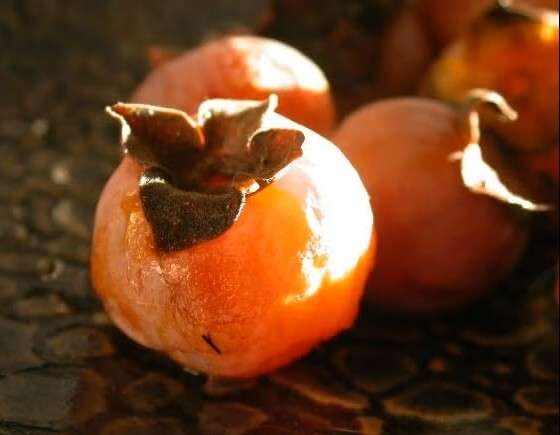
- Persimmon: $.75 per pound of fruit. Fruit must be ripe (soft). No partially green fruit will be bought. Peak ripening is around Mid-October through November.
- Pin Oak: $1.25 per pound of acorn. Acorns ripen around September through October.
- Post Oak: $1.50 per pound of acorn. Acorns ripen around September through October.
- Red Buckeye: $.95 per pound of seed. Clean seed only. Hulls must be removed. No Horse Chestnut will be bought. Peak ripening is around September through November.
- Shellbark Hickory: $.90 per pound of fruit. Nuts ripen around September through October.
- Wild Plum: $1.95 per pound of fruit. Peak ripening is around July 6. Fruit must be ripe with a skin color completely red, yellow, orange. No green or partially green fruit will be bought.
- White Oak: $.95 per pound of acorn. Acorns ripen around September through October.
The office is offering free plastic bags, onion bags, and labels to make collecting seed and fruit easier. Each bag should be labeled with the seed or fruit type and the seller’s contact information. The department reserves the right to stop buying seed once needs are met and reserves the right to reject seeds that are poor quality, not mature, or mixed with refuse.
A special use permit is required to collect fruit and seeds on conservation areas. Learn more HERE. You can call the Northwest Regional Office at or contact Forester Timothy Wolfe with questions or to set an appointment other than the dates and times listed. Collected seeds are taken to the department's George O. White State Forest Nursery near Licking.
Nursery staff grow the collected seed into bare root seedlings used for conservation work and available for purchase by the public. Each year the State Forest Nursery processes more than 10,000 orders and ships about 2 million seedlings. To grow all these species, the nursery collects or buys tens of thousands of pounds of seeds each summer and fall.
You can follow Matt on X @KfeqMatt.